
The Gloria Sarto Reproductive Health Equity Symposium (formerly the Women's Health and Health Equity Research Lecture & Symposium) is an annual meeting that connects healthcare professionals, researchers, and community advocates dedicated to advancing reproductive health equity.
Gloria Sarto Reproductive Health Equity Symposium
2026 Gloria Sarto Reproductive Health Equity Symposium Agenda
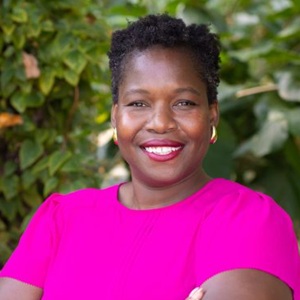
Tiffany Green, PhD
Director, Reproductive Equity Action Lab
Interim Director, Division of Reproductive and Population Health
Associate Professor, Departments of Population Health Sciences and Obstetrics & Gynecology
Gloria E. Sarto, MD, PhD, Chair in Women’s Health and Health Equity Research
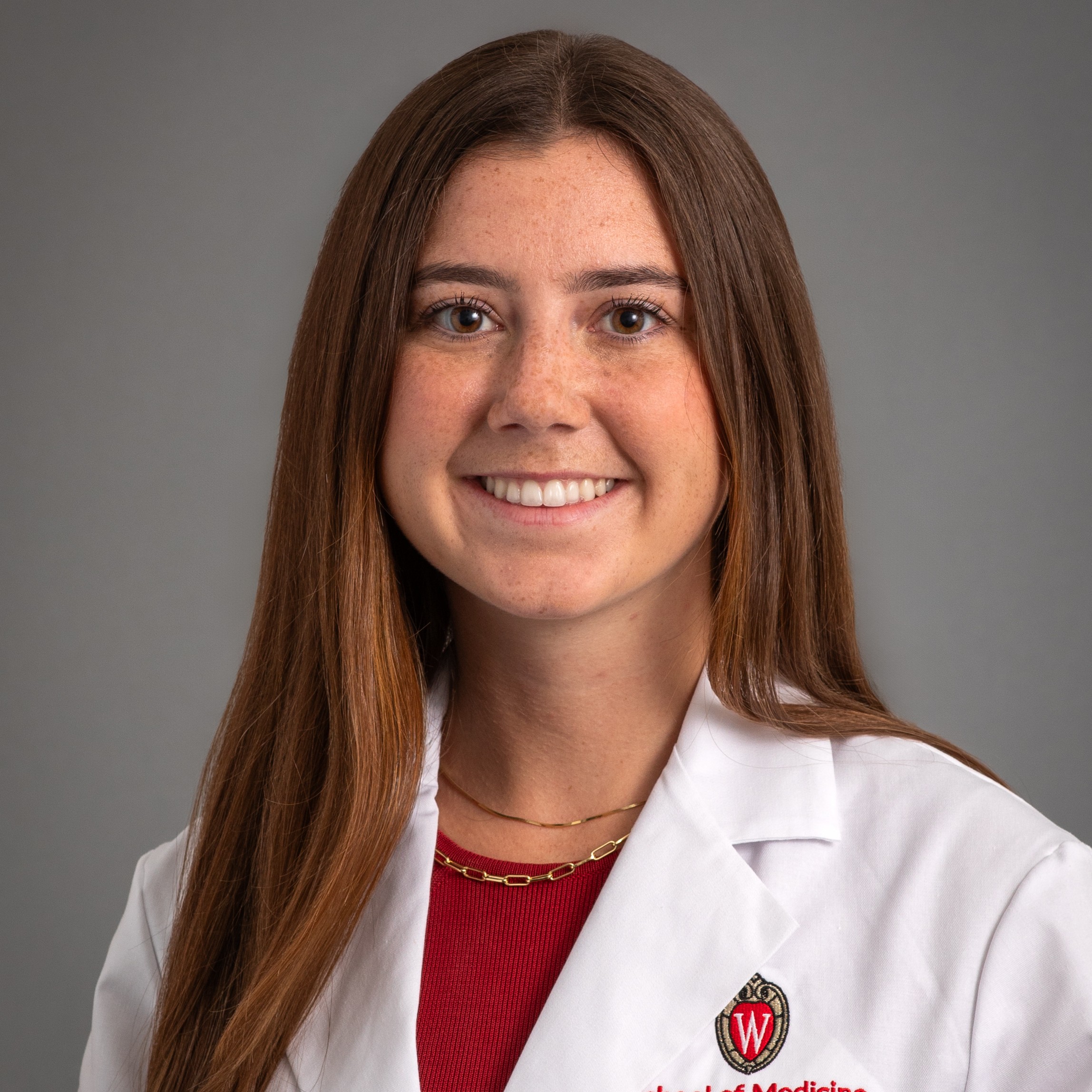
A Scoping Review of Physical Activity in Black and African American Birthing People
Madeline Huber, BS
UW SMPH Medical Student
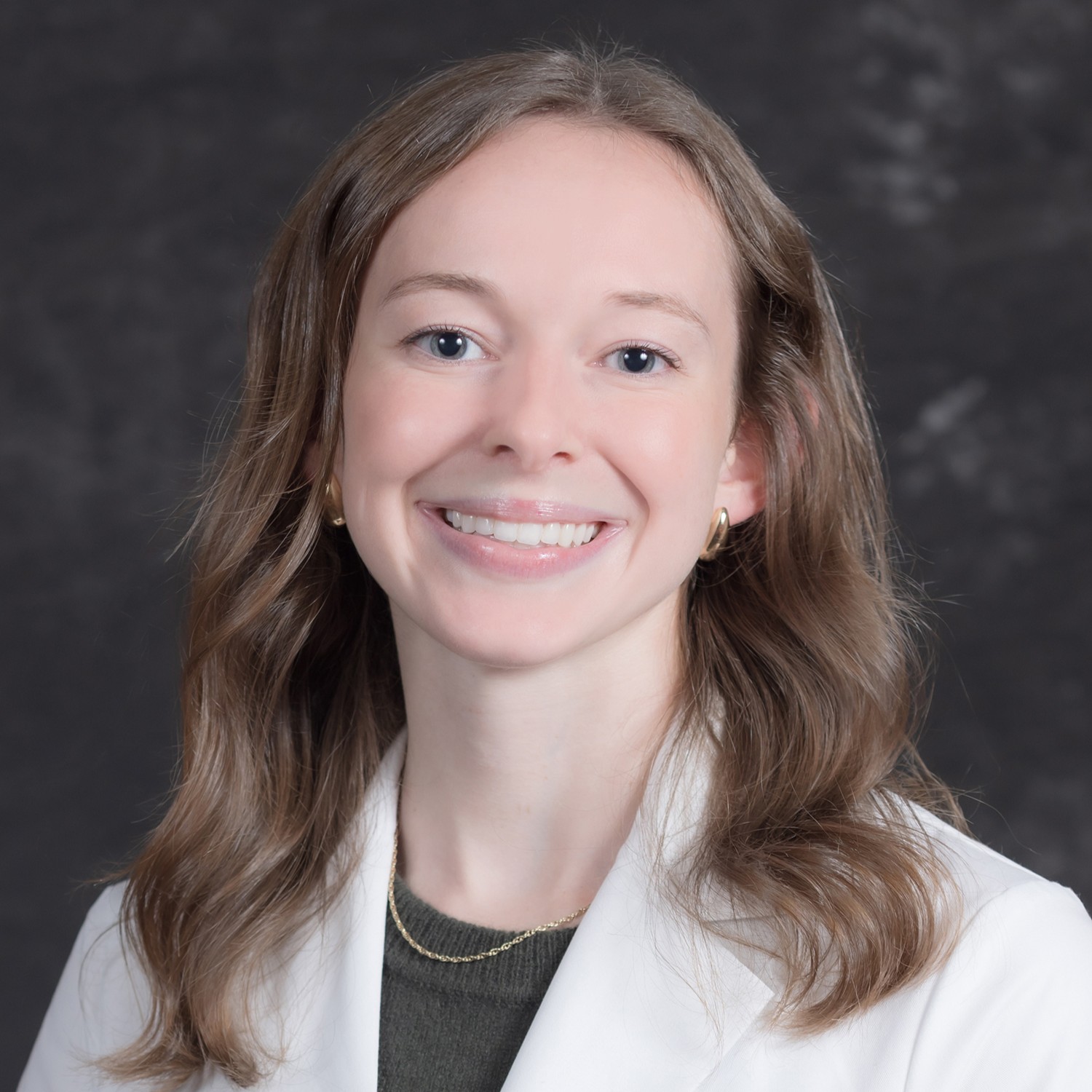
The Inflammatory Environment and Hypertensive Disorders of Pregnancy: Insights from the Peripartum Period
Ellie Tressler, BS
UW SMPH Medical Student

Making Maternity Deserts: History, Policy, and the Geography of Reproductive Care
Sadie Bergen, PhD
Postdoctoral Research Fellow, UW Department of Medical History & Bioethics
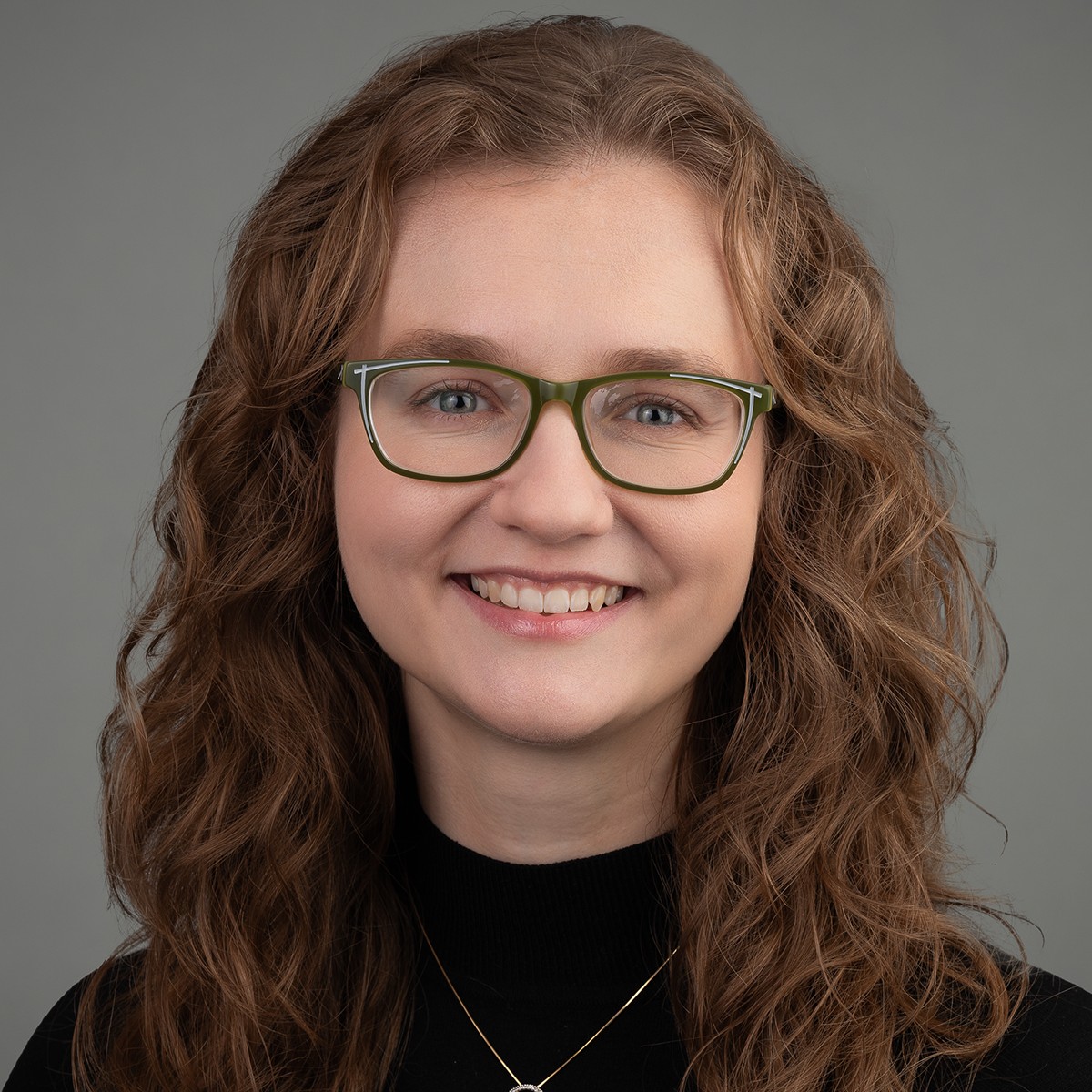
Learning Operative Obstetrics Without a Curriculum: How Rural General Surgeons Acquire and Maintain Cesarean Delivery Skills
Katherine Bakke, MD, MPH, FACS
Assistant Professor, Division of Acute Care and Regional General Surgery, UW Department of Surgery
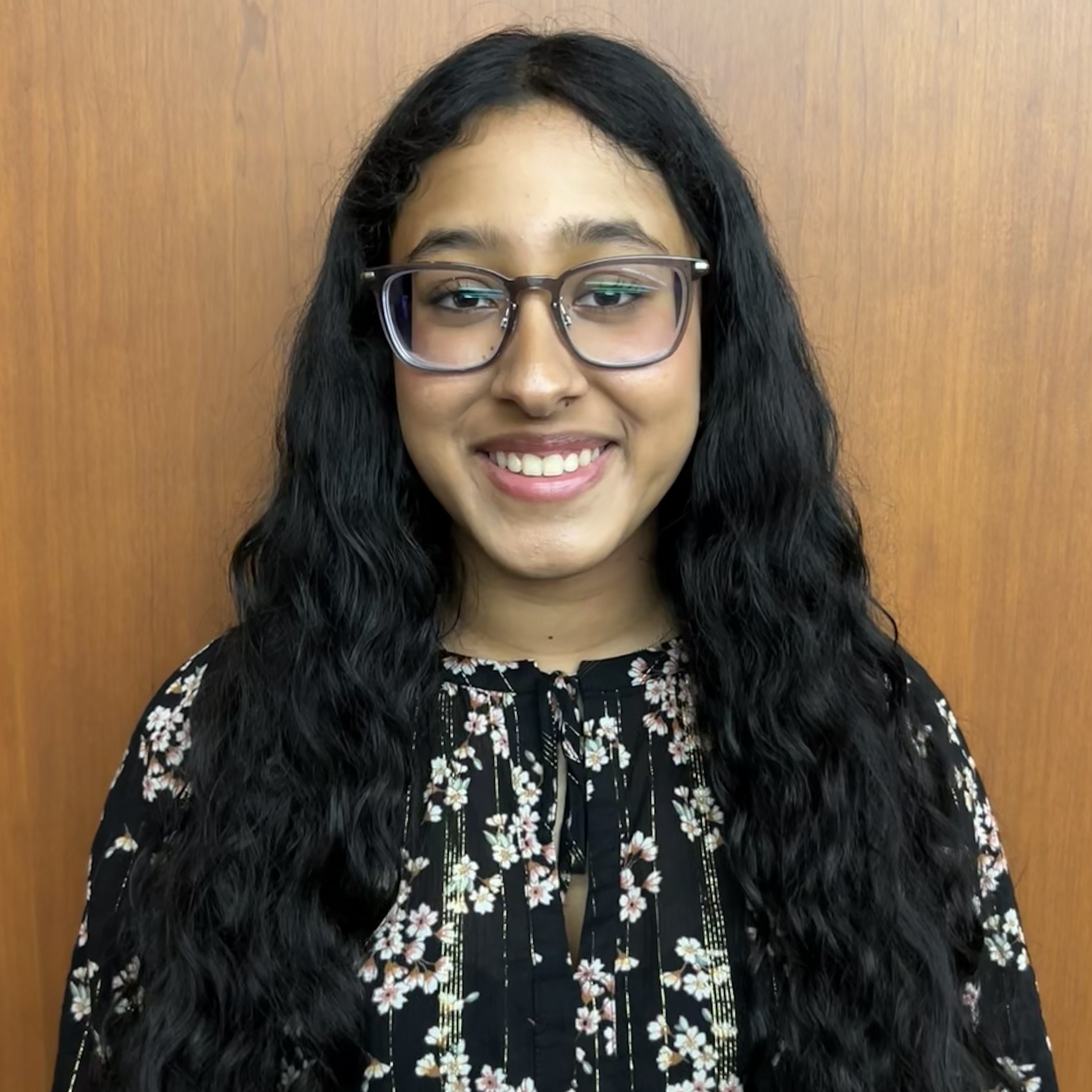
Mapping Menstrual Equity: A Policy Evaluation of Wisconsin School Districts
Ananya Subramanian
Senior at Middleton High School
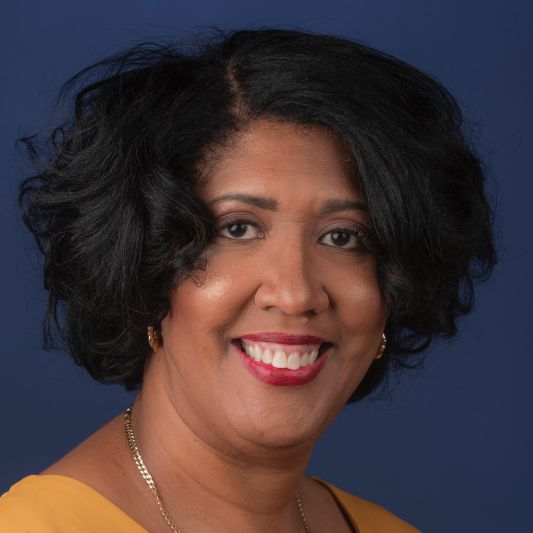
Race Conscious Medicine in Obstetrics and Gynecology
Camille Clare, MD, MPH
President, American College of Obstetricians and Gynecologists
Vice Chair of Faculty Mentorship and Community Engagement and Outreach, Montefiore Medical Center/Albert Einstein College of Medicine
Dr. Camille Clare is a board-certified obstetrician and gynecologist. She received her medical degree from the Albert Einstein College of Medicine, Bronx, New York, and completed her obstetrics and gynecology residency at the State University of New York at Buffalo. She obtained a Master of Public Health in Health Policy and Management at New York Medical College. In 2012, Dr. Clare received the Association of Professors of Gynecology and Obstetrics Excellence in Teaching award. In May 2018, Dr. Clare was inducted into the Alpha Omega Alpha Honor Society, Iota Chapter, New York, New York Medical College as a Faculty member. Most recently, she served as Professor of Obstetrics and Gynecology and Women’s Health at Albert Einstein College of Medicine.
From 2021-2025, Dr. Clare served as Chair and Tenured Professor at the Department of Obstetrics and Gynecology of Downstate Health Sciences University (DHSU) College of Medicine and Professor of Health Policy and Management of DHSU School of Public Health. She has also previously served as Associate Dean of Diversity and Inclusion at New York Medical College from 2016-2020. She most recently served as Vice Chair, Faculty Mentorship and Community Engagement and Outreach at Montefiore Medical Center.
Dr. Clare has received numerous awards for teaching of medical students and residents in her academic career. Her clinical research interests include perinatal mood and anxiety disorders, community and public health, health care advocacy, and health inequities, particularly in breastfeeding, maternal mortality and morbidity. Dr. Clare is a medical educator, and clinician-researcher/scientist.
Dr. Clare is an active member of the National Medical Association (NMA), and has served in leadership roles on the local, regional and national levels. Among her past roles in the NMA include Region 1 Chair, Region 1 Trustee, NMA Obstetrics and Gynecology Section Chair, Secretary of the NMA Board of Trustees, Finance Chair of the NMA Board of Trustees, and Chair of the Council of Concerns of Women Physicians. Dr. Clare has received the National Medical Association Scroll of Merit award in 2016, which is the highest honor that the NMA bestows. She also received the NMA Region 1 Service award in 2012, and the National Medical Association Obstetrics and Gynecology Section Award for Best Practices in Breastfeeding in 2017.
As an active member of American College of Obstetricians and Gynecologists (ACOG), Dr. Clare has served in leadership roles on the section, district, and national levels, and on several national committees. She was recognized as an ACOG Mentor of the Year in 2017, and received a Distinguished Service award on behalf of ACOG District 2 in 2021. Dr. Clare was installed as the 77th President of ACOG in May 2026 and the first Black woman president in the 75th year anniversary of the organization.
Dr. Clare is a active and financial member of Delta Sigma Theta Sorority, Incorporated, Westchester Alumnae Chapter.
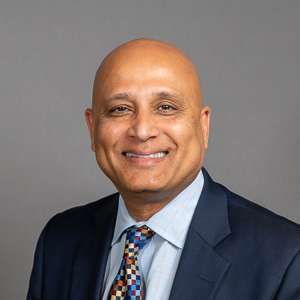
Bala Bhagavath, MD
Professor and Director, Division of Reproductive Endocrinology and Infertility
Dr. Bhagavath is Professor and Director of the Division of Reproductive Endocrinology and Infertility (REI) and REI fellowship director in the University of Wisconsin School of Medicine and Public Health Department of Obstetrics and Gynecology. He completed his medical education in India, was admitted to the Royal College of Obstetricians and Gynecologists in the UK, and worked at the National University Hospital in Singapore before completing his US residency training at Medical College of Georgia and fellowship training at UT Southwestern in Dallas. He is board certified in Ob-Gyn and REI.
Dr. Bhagavath has been a faculty member at Brown University and at University of Rochester before the current position. His clinical interest spans the spectrum of REI with particular focus on reproductive surgery. He routinely performs minimally invasive surgery to manage challenging fibroids, advanced endometriosis, cesarean scar defects and anomalies of the female genital system.
Dr. Bhagavath is passionate about teaching and is a recipient of the National CREOG award for teaching. He is a past president of Society of Reproductive Surgeons and was actively involved in SRS/SREI Fellows’ Surgical Bootcamp. He has served as faculty at the SREI Fellows’ retreat and is a teaching faculty on the Surgical Scholars Track.
Dr. Bhagavath’s research interests include fibroids, endometriosis and surgical instrumentation. He has and continues to serve on various American Society for Reproductive Medicine (ASRM) and AAGL committees and is currently the cognitive committee chair for EMIGS at AAGL and serves on the Scientific Programs Committee as well as the Curriculum Committee at ASRM.

Cheryl Casey'Grant
Outreach Specialist, Department of Obstetrics and Gynecology
Cheryl Casey’Grant was born in Brooklyn, New York and later moved to Wisconsin with her family. She has been married to Jermaine Grant for 27 years. They have raised eight children together, and they are proud grandparents of 16 grandchildren ranging from the ages of eight months to 16 years old.
Cheryl graduated from Madison College with an associate degree in Human Services; she graduated from Almeda University with a bachelor’s degree in human services with a major in Social Work and a master’s degree in social work.
Cheryl has worked in the field of human services in Madison, WI for over 30 years. She has worked with families who have experienced socioeconomic difficulties. She worked with those individuals and families to help improve their lives and their socioeconomical needs. She is currently working at the University of Wisconsin School of Medicine and Public Health Department of Ob-Gyn as an Outreach Specialist. In her current role, she works with doctors and community agencies to help bring information to the community on women’s health issues.
Cheryl’s main goal is to help with health disparities for black moms and other women of color experiencing hardship in Wisconsin and across the United States. Cheryl is involved with many community organizations and leadership programs, such as: African American Opioid Coalition, Homeless Consortium, Fetal Infant Mortality Review, Risked Based Care Work Group and Maternal and Infant Mortality Review Team. Cheryl works to help end health disparities and to improve healthier outcomes for children of color.
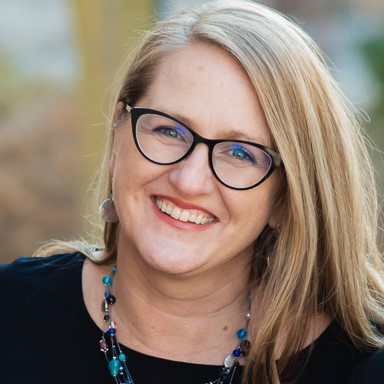
Sara Finger
Executive Director, Embolden WI
Since 2004, Sara has been leading an effort to ensure policy happens with people rather than to them. She is proud to call herself an “advocacy doula” and lives to help embolden others to be effective advocates for positive change. Sara graduated with a degree in Political Science from UW-Eau Claire and has continued to live as an eager learner of all things policy, advocacy, leadership, nonprofit management, and social justice. She is honored to have been recognized with several awards, including being named a Champion of Change by the Obama White House for her work on the Affordable Care Act. Sara is motivated and inspired to radically imagine a healthier democracy in our state by her 16-year-old daughter Layla and 13-year-old son William. To practice critical self care, Sara loves to do crossword puzzles and Lego sets!
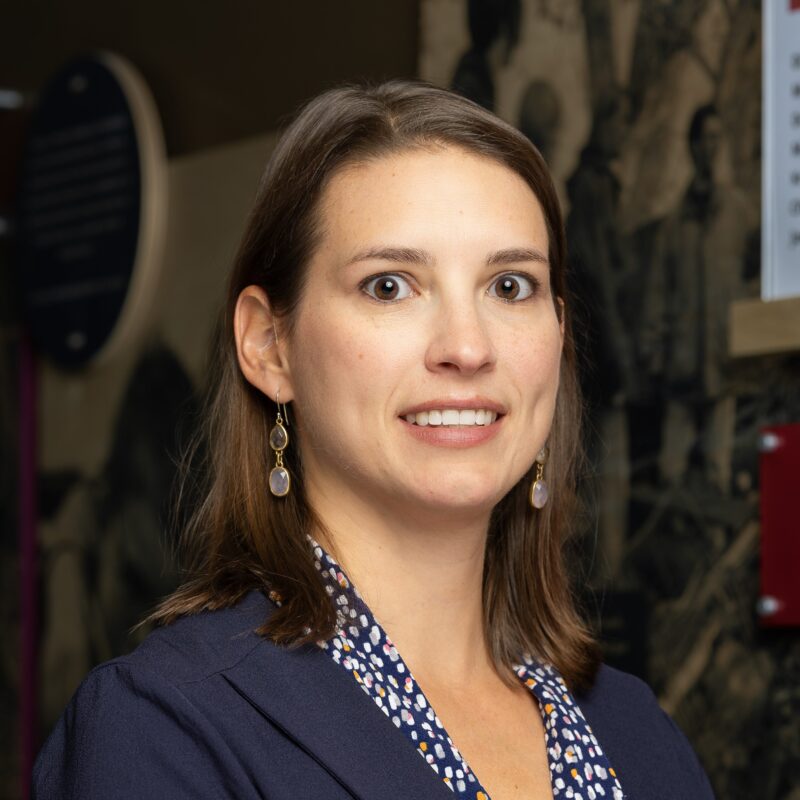
Alejandra Ros Pilarz, PhD
Associate Professor, Sandra Rosenbaum School of Social Work
Alejandra Ros Pilarz’s research agenda aims to improve the wellbeing of working families with low-incomes through policy-relevant research. Her research examines the effects of parental employment and children’s early care and education (ECE) contexts on family wellbeing and children’s development. She also examines how child and family policies—including ECE policies, work-family policies, and income support policies—shape parents’ employment, children’s ECE contexts, and ultimately, influence child and family wellbeing. Dr. Pilarz uses a range of quantitative methods and primarily relies on large-scale, longitudinal administrative and survey data; she is also experienced in mixed methods research and primary data collection.
Dr. Pilarz’s current research projects focus on examining: (1) changing trends in mothers’ work hours and schedules and their effects on children’s ECE arrangements, mothers’ time with their children, and child health and development; (2) the effects of public policies, including pregnancy accommodation laws, on women’s employment during the period surrounding a birth and on maternal and infant health; (3) declines in regulated child care supply and child care subsidy use in Wisconsin; and (4) the effects of COVID-19 relief funding on the child care workforce in Wisconsin. Her research has been funded by the Eunice Kennedy Shriver National Institute of Child Health and Human Development; the Office of Planning, Research and Evaluation at the U.S. Department of Health and Human Services Administration for Children and Families; the Wisconsin Department of Children and Families; the Russell Sage Foundation; and the Washington Center for Equitable Growth.
Tiffany Green, PhD
Director, Reproductive Equity Action Lab
Interim Director, Division of Reproductive and Population Health
Associate Professor, Departments of Population Health Sciences and Obstetrics & Gynecology
Gloria E. Sarto, MD, PhD, Chair in Women’s Health and Health Equity Research
History of the Symposium:
This event, formerly known as the UW Women’s Health and Health Equity Research Lecture and Symposium, grew out of the pioneering vision of Dr. Gloria Sarto and Dr. Gloria Johnson-Powell.
In 2003, Dr. Johnson-Powell and Dr. Sarto received NIH funding to establish a comprehensive center to investigate the role of biological and social factors on disparate health outcomes, primarily among minority ethnic and racial populations. The first Symposium was held in 2005.

Dr. Gloria Johnson-Powell (1936-2017), the first African-American female professor at Harvard, joined the University of Wisconsin-Madison faculty in 2001 as Professor of Psychiatry and Pediatrics, Associate Dean for Cultural Diversity, and Director of the Center for Cultural Diversity and Health Care. Dr. Johnson-Powell had remarkable influence in highlighting the importance of social equality as it impacts health equality. She labored all her life to seek equality for all, through her research, writings, and work within communities.
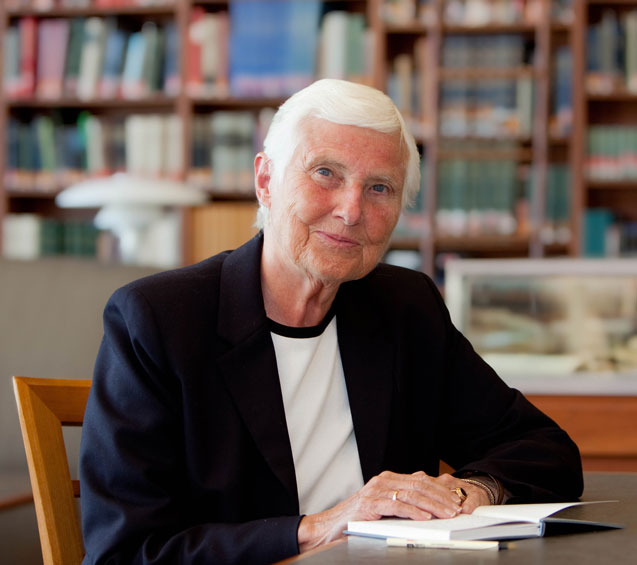
Dr. Gloria Sarto (1929-2024) championed the health of women in innumerable ways throughout her professional career. As a physician, she personally treated many women and delivered their babies; as a department chair, she taught and mentored many students, residents, and young faculty; and as a national voice for women’s health, she had tremendous influence public policy, educational curricula, and national research initiatives.
Dr. Sarto passed away on June 8, 2024. To celebrate the 20th anniversary of the Symposium and honor Dr. Sarto’s immeasurable impact as an advocate for health equity, the event was re-named the Gloria Sarto Reproductive Health Equity Symposium in 2024.
Past Symposium Keynote Speakers:
- 2025: Karen Sheffield-Abdullah, PhD, RN, CNM, FACNM (video)
- 2024: Charlotte Gamble, MD, MPH (video)
- 2023: Denise Howard, MD, MPH (video)
- 2022: Vanessa Northington Gamble, MD, PhD (video)
- 2021: Elizabeth Howell, MD (video)
- 2020: Erica Marsh, MD (video)
- 2019: Tiffany Green, PhD (video)
- 2018: Sheri Johnson, PhD
- 2017: Haywood Brown, MD (video)
- 2016: Melissa Gilliam MD, MPH (video)
- 2015: Florence Haseltine, MD, PhD
- 2014: David Grimes, MD, FACOG, FACPM (video)
- 2013: Vivian Pinn, MD (video)