
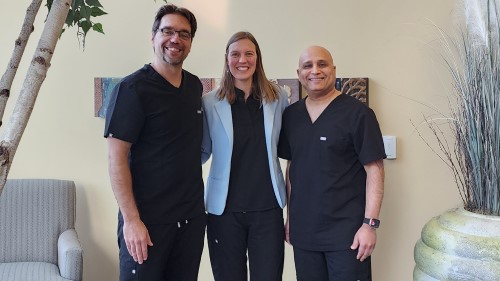
Division of Reproductive Endocrinology and Infertility


Mission:
The Division of Reproductive Endocrinology and Infertility will assist in building the next generation.
Vision:
Deliver remarkable, accessible and innovative fertility care, providing everyone the opportunity to have a family.
In the Division of Reproductive Endocrinology & Infertility (REI), we offer the latest technology and compassionate, personalized care to assist people who wish to become parents, including a variety of services for both male and female fertility concerns.
The University of Wisconsin Hospitals and Clinics has provided Reproductive Endocrinology and Infertility care since 1974. It was the first program in the state of Wisconsin and the fifth in the United States to offer in vitro fertilization (IVF). In July 1984, the first baby in Wisconsin was born resulting from an IVF procedure. Partnership with REI experts was key when the first human embryonic stem cells were developed at the University of Wisconsin in in 1998. From the very early stages of the development of assisted reproductive technology, we have been at the forefront of cutting-edge science and continue to be leaders today.
Our clinic is the first of its kind in the area to allow a couple go through the evaluation and treatment journey simultaneously. This provides a greater understanding of fertility issues for patients, helps them cope with the emotional aspects together, and ultimately provides a more coordinated effort by the team to offer time-effective and cost-effective care.
Our Team
Our expert team of reproductive endocrinologists, medical endocrinologists, male infertility specialists, clinical psychologists, embryologists and nursing support staff are among the finest in the country. As a team, we offer the full complement of fertility and reproductive medical and surgical treatment, combining the latest reproductive technologies with the highest standards of patient care.
Research
In addition to providing excellent patient care, we are committed to advancing reproductive endocrinology and infertility through high-quality research. In keeping with the UW School of Medicine and Public Health's institutional research mission of fusing education and training with basic research and clinical trials, our clinical division recognizes the importance of translating the advances in the lab to outcomes for our patients.
Education
We invest in the future of REI by training ob-gyn residents and REI fellows to provide exceptional fertility care for generations to come. In 2024, we launched the first REI fellowship program in Wisconsin. Our program prepares fellows to become outstanding clinician-scientists who are prepared to provide well-rounded REI care.
Highest Standards
The program adheres to the standards of our professional organization, the American Society of Reproductive Medicine, and is registered with the Society of Assisted Reproductive Technology (SART).
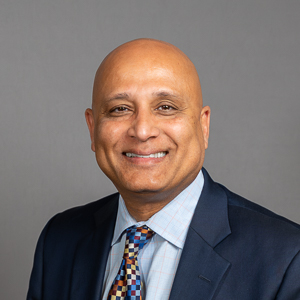
Division Director
Contact Us
Role title: Medical Program Assistant Associate
2365 Deming Way
Middleton, WI 53562
Email: eblazel@wisc.edu

Welcome incoming REI fellow Allison Carlisle, MD!
The Reproductive Endocrinology and Infertility fellowship program is pleased to share that Allison Carlisle, MD, will join the UW Department of Ob-Gyn in August 2027 as the incoming Reproductive Endocrinology and Infertility fellow! Carlisle graduated from the Medical College of Wisconsin and will complete obstetrics and gyne...
more

Cooney discusses PMOS treatment and weight management with Women’s Health
Laura Cooney, MD, associate professor in the Division of Reproductive Endocrinology and Infertility, spoke with Women’s Health for a recent story about PMOS treatment and weight management. In “Women’s Health Just Teamed Up With Equip to Research How Weight Bias Impacts PMOS Patients. The Data Is Concerning,” Cooney discussed...
more
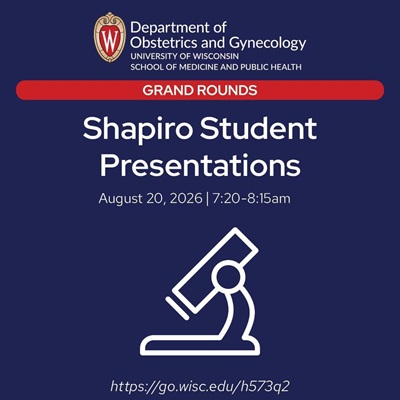
Grand Rounds: Shapiro Summer Research students present research projects
On August 20, 2026, students in the Shapiro Summer Research Program presented their summer research projects in obstetrics and gynecology. The 10 students shared their research methods, findings, and preliminary results across a variety of topics, including reproductive health, maternal health, urogynecology, infertility, rur...
more